On the arts and their value

Ensconced in a transparent plastic chair with file cabinets of sheet music on one side and a colorful array of instruments on the other, with bleats and squeaks and scales and low frequencies radiating from studios all around, I turn a page in my book and smile. Mozart, the resident dog, ambles over for a scratch behind his ears.

Although I've little musical ability, in Middle C each weekend, as I wait while Jack and Oliver finish their lessons, I feel at home. The test notes and amiable chatter and warm ups and expanding lung capacities are individuals at practice in a place that both challenges and nurtures them. I gravitate toward places like that and the people who both work and learn there.

I felt a similar homeyness during the AWP conference earlier this month, despite the fact that literally thousands were in attendance, and I knew approximately five. Armed with my schedule, badge, and a bag of books -I never go anywhere without reading material; do you?- I made my way from panel to panel, toggling between the convention center and the elephantine Marriott across the street. Lost among friends, really. And happily so.

This is not to say that all musicians and writers and artists are nice, expansive people. Good grief- of course they aren't. Some are egotistical and competitive, and others are pathologically shy. Some are troubled while others prefer words or paint to people. Many have wrestled with periods of feeling awkward or different. Many still do. Some have experienced abuse or trauma or stunning loss. Many are delightfully eccentric, some fit every stereotype.

I've often wondered just how mental health, creativity, and intelligence co-exist, for many have written of "madness" as creative fire, of angst as a torturous fuel, of tragedy and loss as a sort of generative phoenix. A spherical spectrum seems to fit the bill of any synchronicity better than a linear one. 

Most every artist I've ever encountered relishes or at least feels the utter need to get at the root of who they are, who we are, and to express those selves in some way. Communities of artists are like multi-celled organisms undulating toward kernels of truth and understanding, toward justice and inclusion. The arts push the boundaries of what is and should be accepted, what is and should be normed. They teach us empathy, allow us to better understand the beauty and strength in difference, usher in respect and tolerance, and diminish fear and hate.

It is not hard to understand why dictators seek to control messaging and especially artistic expression. So really, stay sharp right now in the face of alternative facts (bullshit), lies messaged as news (also bullshit), the spread of fear versus hope (carnage, anyone?), and attempts to quash the humanities (the Trump admin's desire to cut the National Endowments for the Arts and the Humanities, disallow peaceful protests, etc). 

Politics aside, this post is actually a piece about me and the gratitude I feel for the arts.

When I was a young child, my parents (who both studied art history in college and have collected art for decades), sister, and I often played two games: one was an artist and artwork flashcard-based gig (more fun that it now sounds), and the other was a sleuthing game in which the player whose turn it was donned a blindfold, reached into a paper bag to pluck a cardboard object from a large assortment, felt its curves and angles, size and stature, and ventured a guess as to what it was.

I attended summer arts camps and took drawing and painting lessons for years. I have spent more than a night in Corning, NY, because my father wanted to see the glass museum there and specifically a piece, Jay Musler's Cityscape, in it. I remember that our B&B smelled like tequila and lime and that the proprietor was a zany woman who sang "Customers, come here!" when we knocked on the wrong door. Cityscape remains vividly seared in my mind, a stunning piece of glass rendered meaningful in a gifted man's hands.
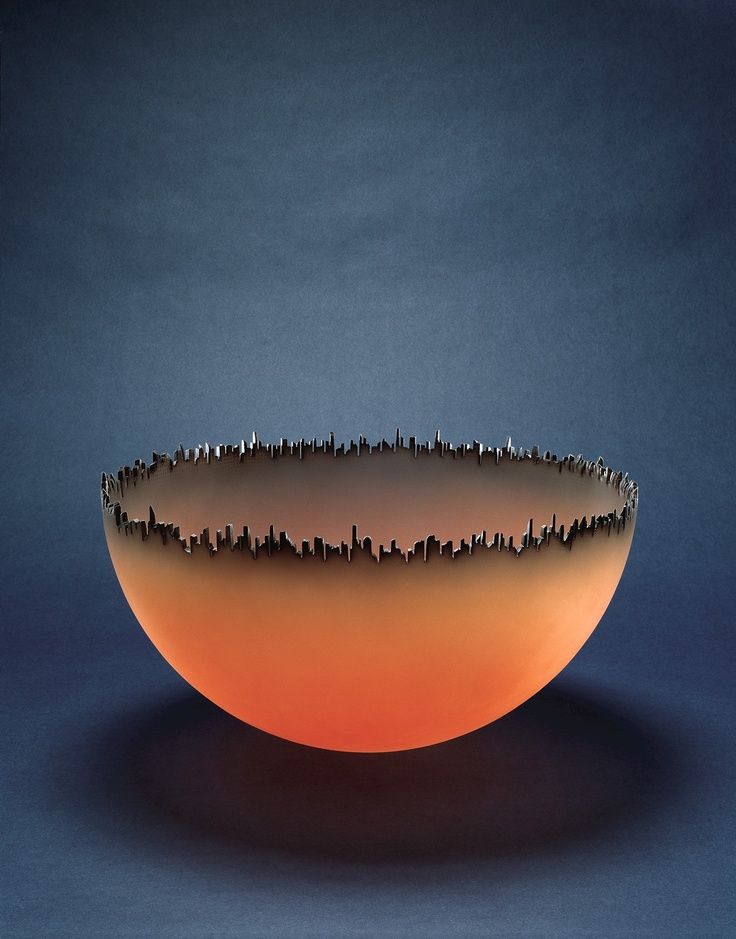
Courtesy of the Corning Museum; isn't this magical? Although sadly, I read it so much differently than I did when younger. Now, though still beautiful, it strikes me as environmental doomsday.

Courtesy of the Corning Museum; isn't this magical? Although sadly, I read it so much differently than I did when younger. Now, though still beautiful, it strikes me as environmental doomsday.

And yet, with all that steeping in the arts, I wasn't comfortable expressing myself artistically until my thirties. The general aging process has helped, but I wouldn't be nearly as complete a person as I am (and let's be clear, it's a real work in progress with more work to do; likewise it's not painless!) without open artistic expression which began with cooking, segued into photography, slid easily into blogging about those things, and has evolved into so much more.

I don't consider myself a Writer yet (though I aspire to be such), but I do know that writers and artists and those who truly appreciate them are my truest tribe. The sensitivity and openness, the shared experience of some struggle and the gentle embrace of what has challenged each of us, the multitude of identities lived and loved and celebrated...all of those things are treasures, gifts, and each time I experience, witness, or grow from relationships forged in and around arts communities, I become more me. More of the me I want to be. More of that fully unhusked kernel of self truth.
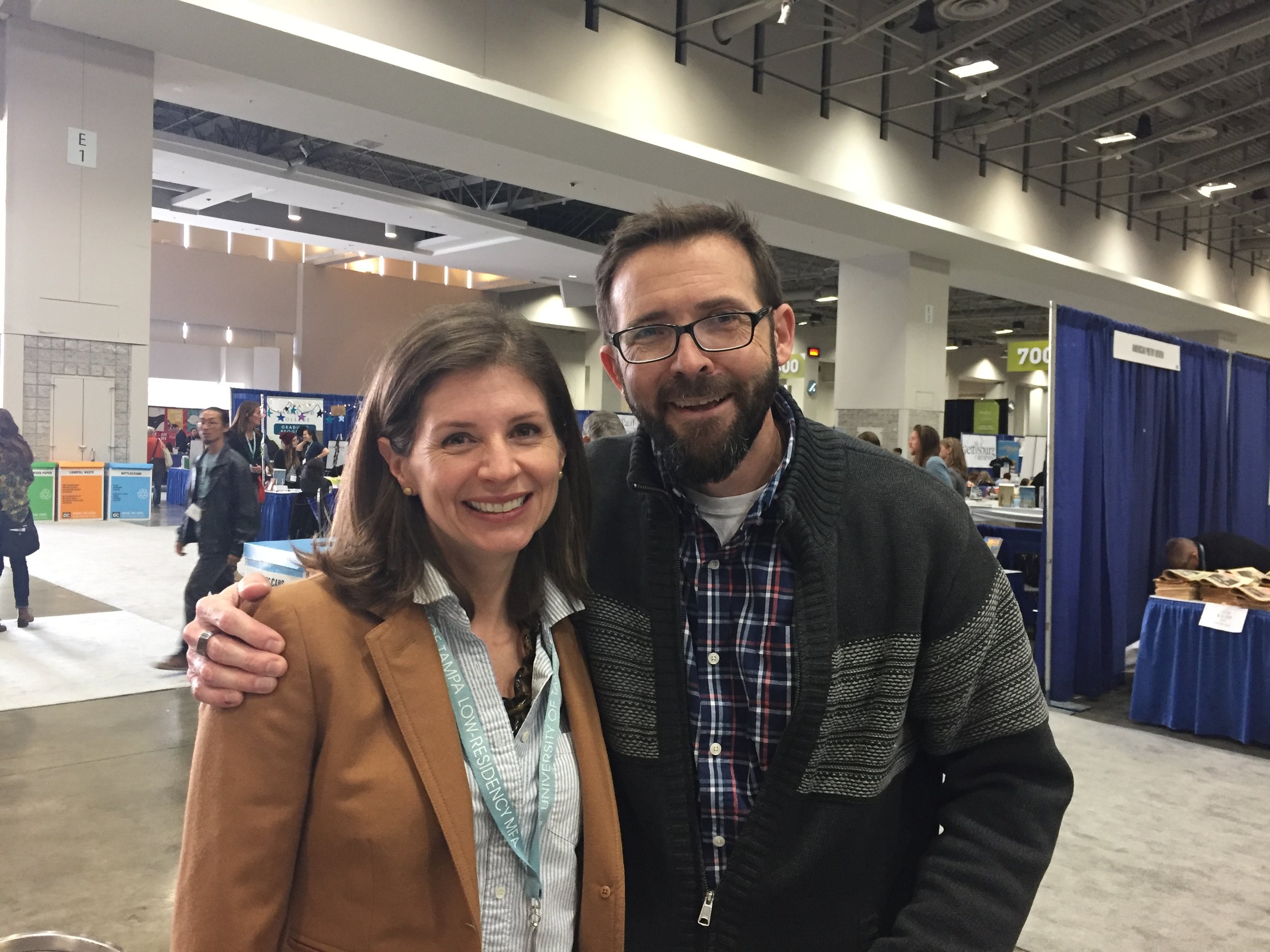
Happily colliding worlds of Nanny at the AWP Conference

I don't know if I've ever told you much about Nanny and Papa's house. Oh sure, bits and pieces here and there. How it sat in both sun and dappled shade on a corner lot at Moss and Division streets. About Papa's blackberry patch out by the old shed, and the towering pecan trees in the side yard by the Duhon's house, and Nanny's flowers all over. 

Maybe I've told you that white wooden house was where my mom and her siblings grew up, and where Nanny lived for more than sixty years until she died there, in her bed, at the age of 92, Mom right beside her.

It's the house where I, in many ways, grew up too. It's where we used to shelter for hurricanes threatening Lake Charles because it had always withstood even the strongest ones. It's the home in which we gathered for countless Sunday lunches of spaghetti and roast, salad and French bread, tall glasses of Lipton iced tea, and pie or a cheesecake or Crown Jewel or Nanny's lemon-lime refrigerator sheet cake.

Perhaps what I've not mentioned is that the property included four or five apartments, some separate from the big house and others attached to but not part of it. Nanny and Papa let those apartments for helpful supplemental income, and when Papa died, Nanny continued to keep the places rented.

The extra money was great, but I also liked that Nanny seemed to attract some really special tenants who became much more than simply renters. At some point, the head of the writing program at McNeese, the university in Lake Charles, started sending graduate students Nanny's way. The early referrals became a self-perpetuating means of keeping the apartments full.

One MFA student, a thirty-something named Neil, approached Nanny fourteen or fifteen years ago, and asked if he could rent an apartment month to month rather than signing a year-long lease, which was her standard first-year requirement, due to some personal concerns. Never one to turn down any sincere ask for help, Nanny said yes. 

Neil stayed for eighteen months, and during that time became close to Nanny. She adored him, and although I didn't live in Lake Charles anymore and so never met Neil, I nonetheless felt I knew him. I knew that he met and married a wonderful woman and that while still in town, they had a son. Nanny loved getting to know his expanding family.

After Nanny died, Mom told me about the beautiful letter Neil had written her describing why Nanny had meant so much to him. His words rang familiar to so many she had touched and made happy over the decades.

Fast forward some, and because the Association of Writers & Writing Programs' (AWP) 2017 conference was slated for DC and I learned of this on the last day of early bird pricing last fall, I registered. When the schedule was announced, I flipped through it like the eager ever-student I am.

Thursday, February 9, noon: Beyond "Show, Don't Tell"
Neil Connelly, Cheryl Klein, Shawn Stout, Kekla Magoon.

Certain that Neil was the Neil from the white wooden house at 601 Division, I emailed Mom. "Yes!" she replied, "I'll put y'all in touch."

I reached out to Neil several weeks ago. He is now an English professor at Shippensburg University and has published eight books. "Neil, I'd love to put a face with the name I've heard about in such fond ways all these years. Might we steal a moment at the conference?"

"Emily, I write you from my office at Shippensburg, looking up at a picture of your grandmother, whom I adored." he replied.

I sat with his lovely note, looking around at the many photos of Nanny peppering my home, her vibrant smile the first thing anyone notices in any of them, and thinking of how special it was that yet another person (for there are many out there) in this big, diffuse world loved and missed Nanny too, and continues to keep her near. I was so touched, but I wasn't surprised.

This morning, after getting the kids ready for school, quickly pulling together a not-mom outfit, and shoving some pens, notebooks, phone charger, and snacks in my "professional bag," I hopped on the Metro and headed downtown, attempting to get there, check in, and make it to the first panel on time.

Being at AWP feels somewhat like being in Vatican City. You're in a small, densely-populated humming city-state: it's overwhelming, but in a way I like. 

The first panel was absolutely great, and then I texted Neil to check in. I'm in the Book Fair at booth 575, he replied. The Book Fair, let's say it's the Vatican within Vatican City, is not small, but sooner than not, I was at 575, sharing a smile and hug with a kind man who once lived in the apartment abutting Nanny's house. 

We found seats at a nearby table and reminisced. 

"Your grandmother and I used to sit on her back steps and talk. About tough stuff or nothing at all. And she would really listen, with no judgment."

That very trait, the true listening and hearing with no judgment or superfluous commentary, is one of the things I most loved about Nanny. I told Neil how much I missed Nanny still, and as I teared up, he said, "She's a person worth crying over." Isn't that a profound compliment? I think I'll remember that simple phrase forever.

He told me that once he moved out he continued to send students to Nanny but with this head's up: "You'll get a place at a good price, but you need to help Florence. Take out her garbage, check in on her, don't upset her."

Nanny took care of Neil, but he took care of her too, and I am so grateful for that. Imagine if we all looked after each other in such ways.

When Neil's first son was born, he and his wife would take him to visit. "To this day when Owen eats a peppermint patty, he thinks of your grandmother's house and how much he liked it there." 

I do the same. So do Jack and Oliver. Nanny always had York mints in the middle drawer of the buffet in her living room, and usually Starlight mints as well, those hard white-and-red peppermints. Maybe some Werther's too, but not as regularly.

"That front room had such great natural light. And high ceilings and those gauzy drapes in the windows." And like that I was back there again, sitting in the recliner across from Nanny's, watching the birds come to the feeder suction-cupped to one of the windows sheathed in translucent fabric, rolling around on the ancient carpet and feeling the familiar highs and lows of the slightly buckled wood floors underneath.

I remember when Jack was little, or was it Ol?, he'd lay quietly on that carpet and run his hand back and forth across the pile. Feeling, noticing, exploring. 

"Once, early in my and Tom's relationship," I told Neil, "I took him home to Lake Charles for a visit, and while there, my parents were trying to figure out how to affix Nanny's recliner to a wooden dais. I can't recall why, but it needed to be sturdy and firmly attached. Tom is an engineer so he got right to helping, and I remember thinking he'd really passed a test. He could see that we all adored Nanny and wanted to do anything for her, and he jumped in to do the same."

The time came to go our separate ways, and I asked if we could take a picture. Though I don't believe in an afterlife, I have to think that in some way, Nanny saw us and smiled her radiant smile.

A Sunday roundup: 14-cup commercial food processor, a foster cat, friend visit, misc

Y'all will be as thrilled to hear, as I was to experience it, that I have had the dreaded relapse that so many people have succumbed to following round 1 of this horrid virus going around. Not even kidding I have gone through FOUR boxes of Kleenex since Thursday. Don't even talk to me about phlegm and nosebleeds and that disgraceful chap pattern I now have under my nose. 

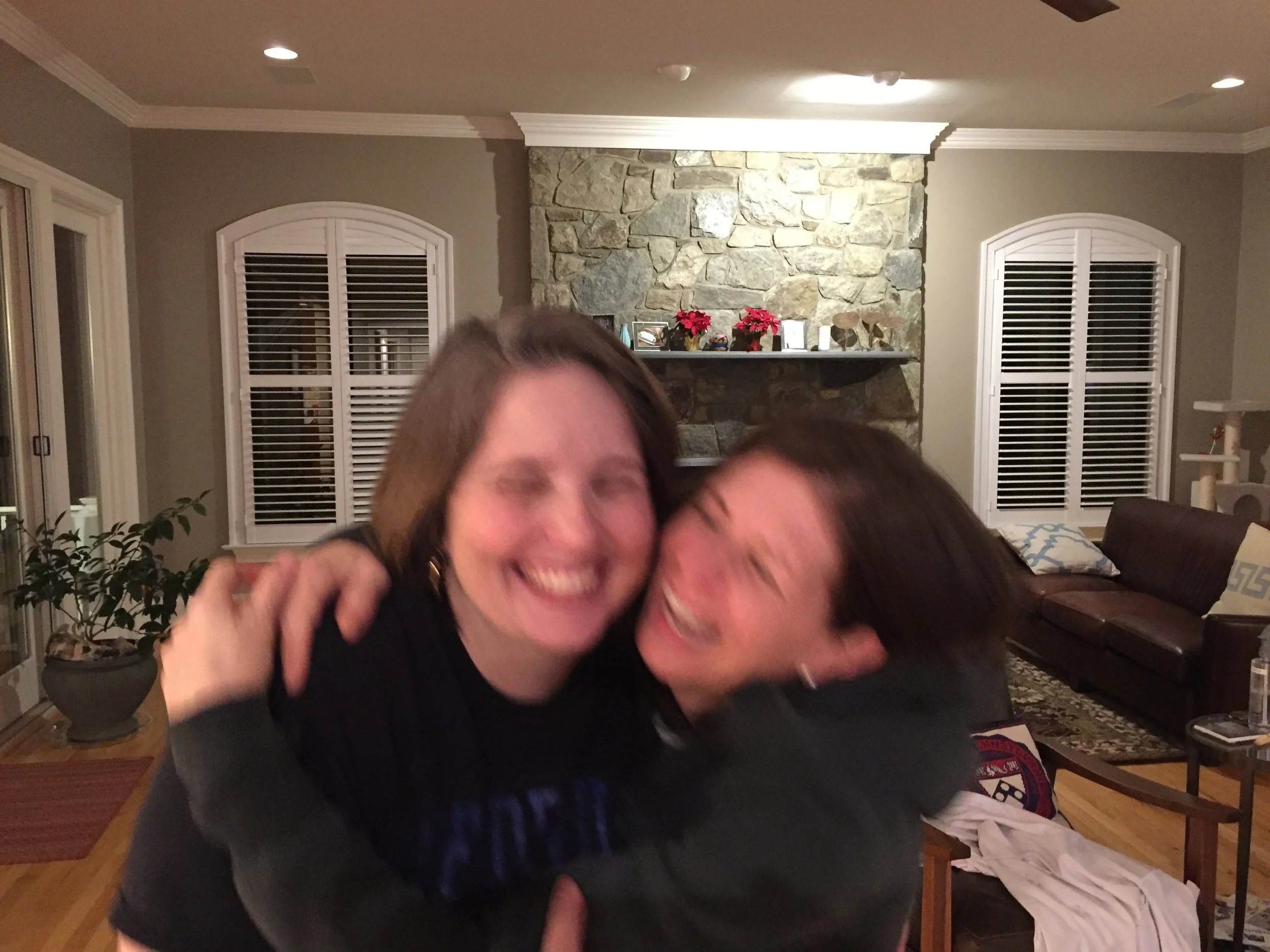
That said, my dear friend, Anne, came to visit Thursday - Saturday, and as it always is when you spend time with someone who makes you pee in your pants laughing and also shares their deepest secrets and you yours and doesn't mind watching you go through two of those four boxes of Kleenex or eating leftover pizza from the double-slumber party you host one night during her visit for dinner, it was marvelous.

As evidenced by that picture.

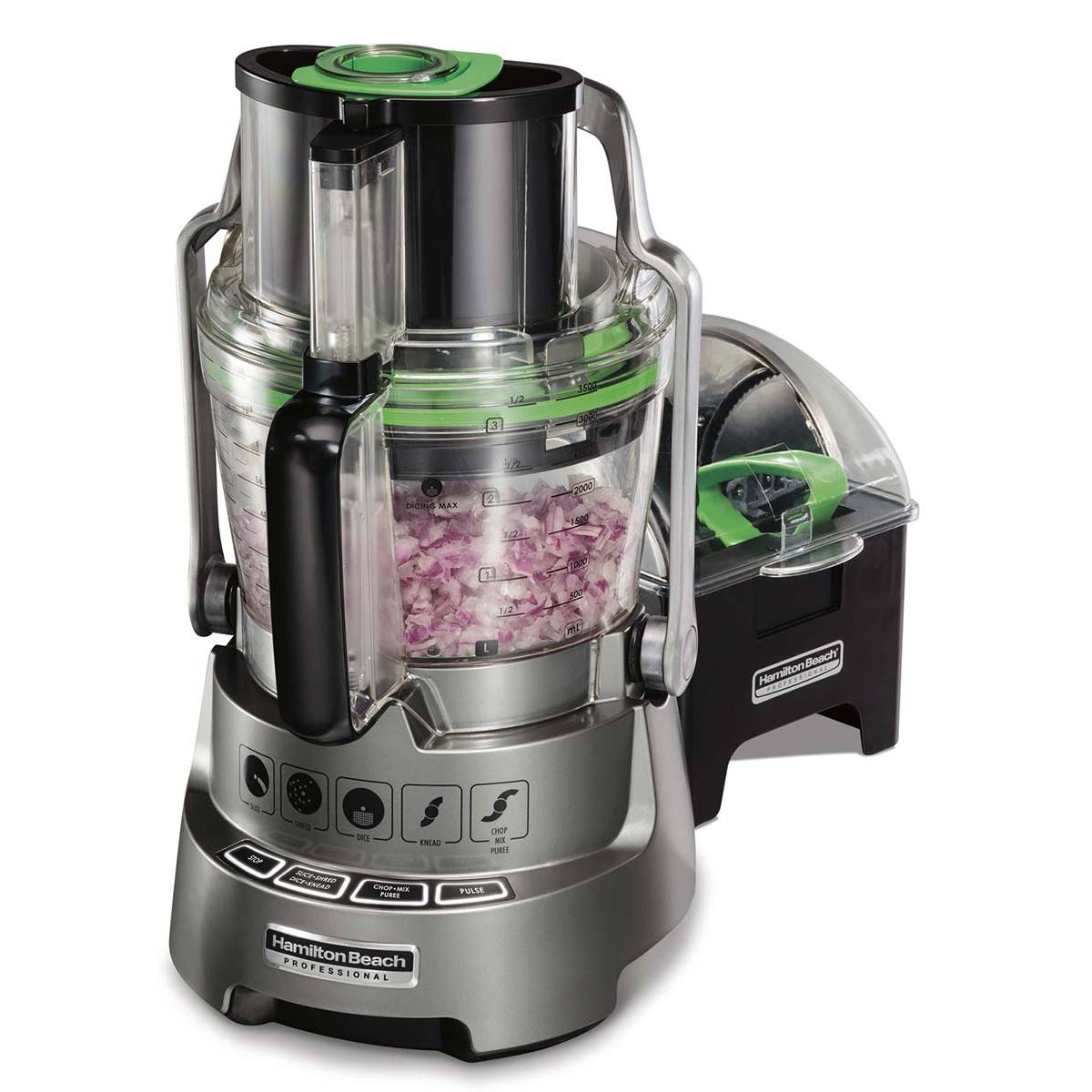
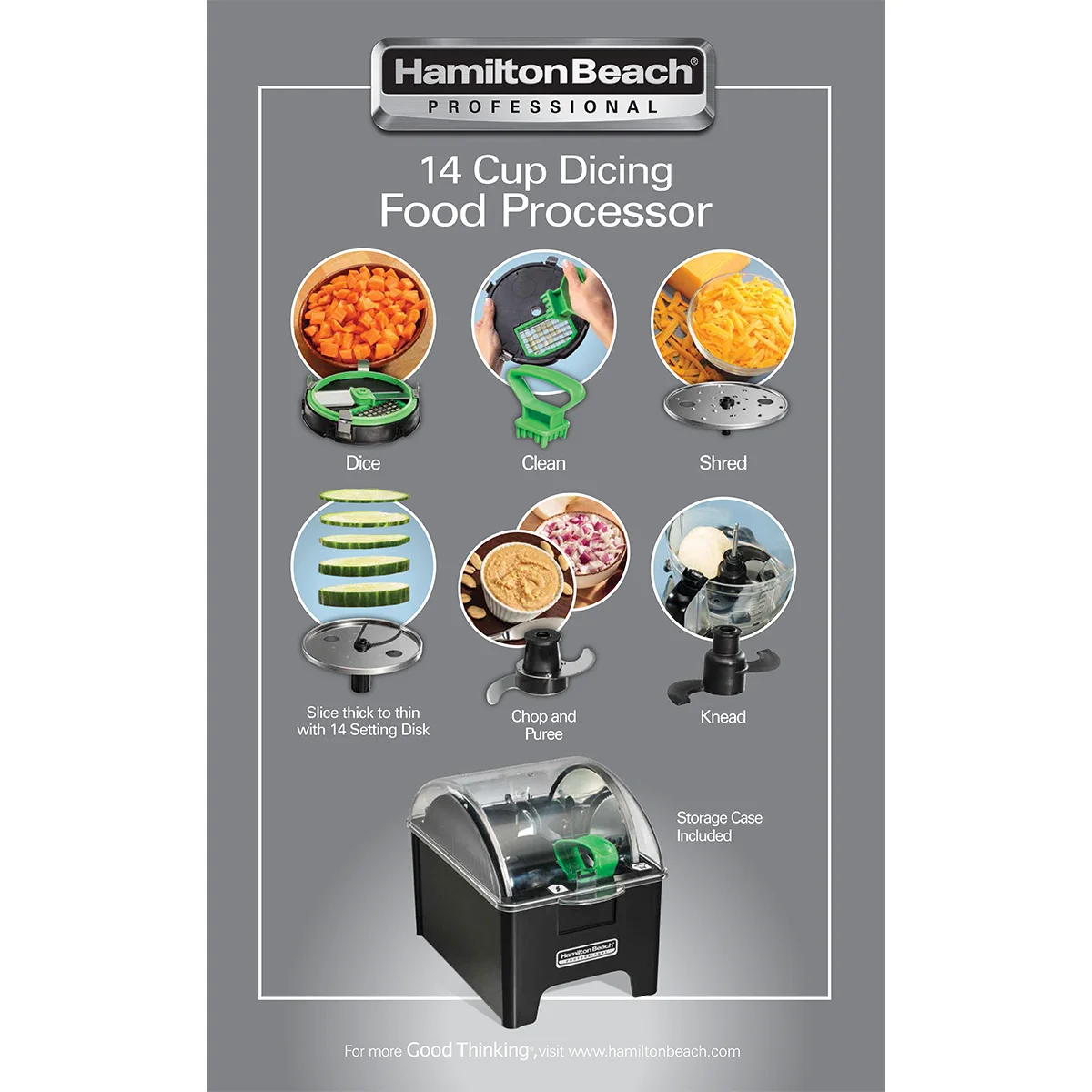
Also last week I received a new kitchen toy, Hamilton Beach's 14-cup dicing food processor. My friend, Christine (I call her Burratine because we first truly bonded over a plate of burrata and have been fast friends since; was that two years ago, C? three?), writes the snappy food blog, Chew Nibble Nosh, and recently had a giveaway sponsored by Hamilton Beach. Out of 175 entrants, my name popped out of the Promo Simple winner generator. Y'all, I was thrilled. I don't think I've EVER won anything. And then, faster than I can type Hamilton Beach, this puppy was waiting by my front door. 

Thank you, HB; photos below courtesy of Hamilton Beach

Thank you, HB; photos below courtesy of Hamilton Beach

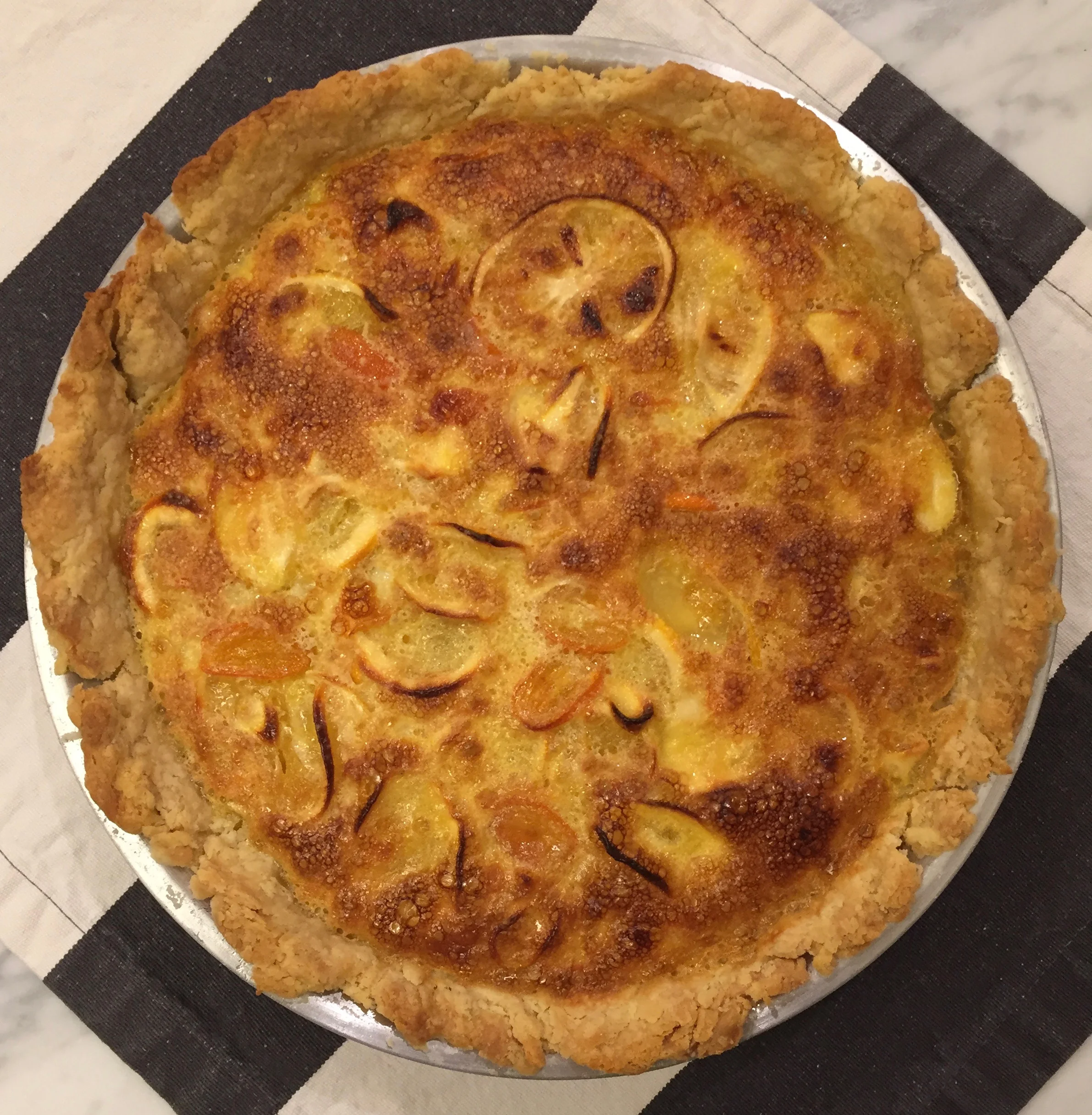
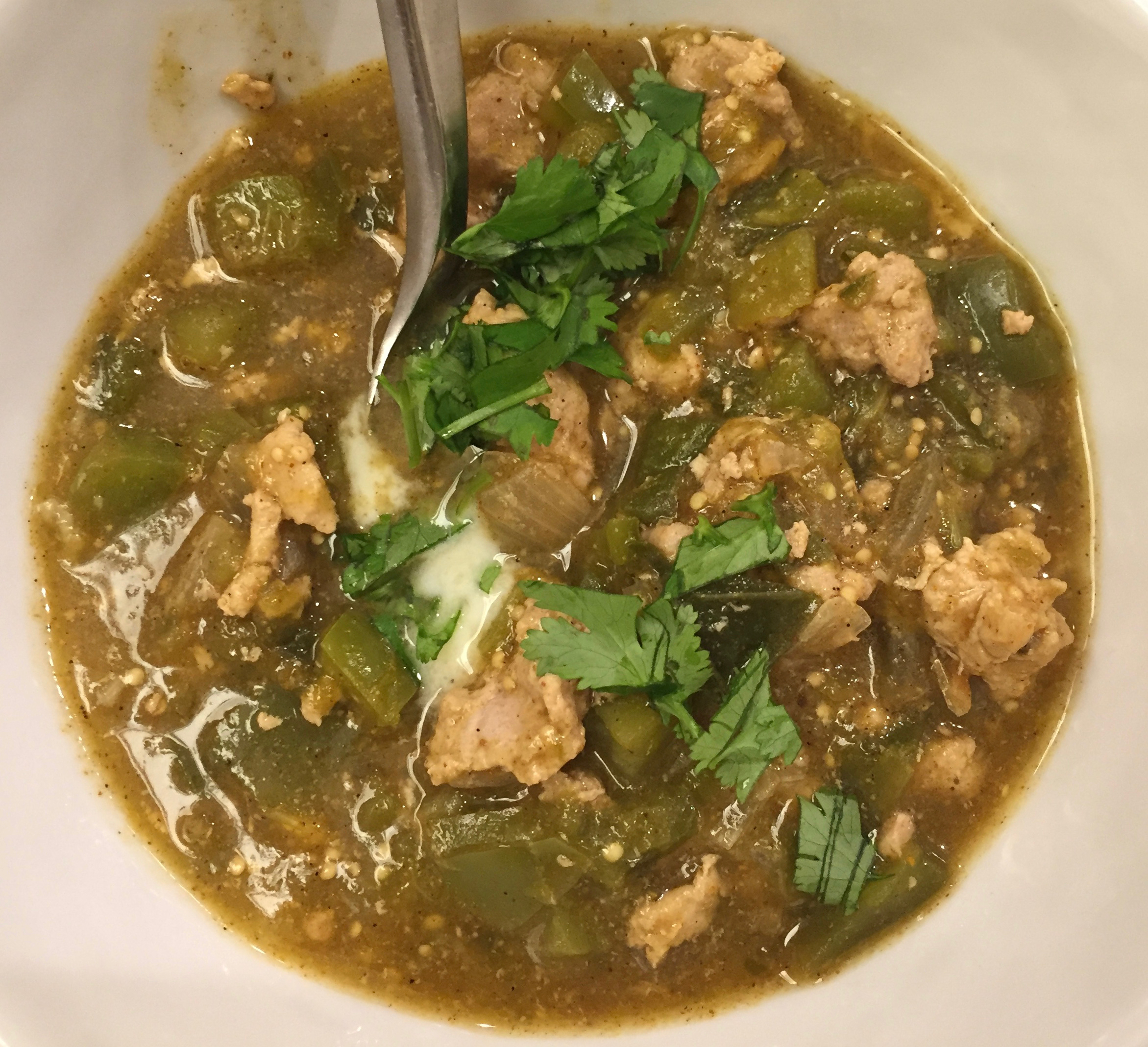
I used it yesterday to mandoline three Meyer lemons in the blink of an eye for a Shaker lemon pie and again today to DICE many pounds of green peppers and onions for the chili verde I make most every year for the Superbowl. 

Because I was BESIDE MYSELF thrilled by the speed and mostly-accurate dicing and mandolining of all these things, which otherwise takes not an insignificant amount of time, I neglected to take any action shots. You should click here as Christine photo-documented her entire maiden voyage with her dice-chop magic appliance. It dices tomatoes without crushing them. WTF?! #winning

I cannot wait to use this bad boy to deal with potatoes in a million different ways. Latkes, hash browns, you get my drift! Thank you to Christine and Hamilton Beach!

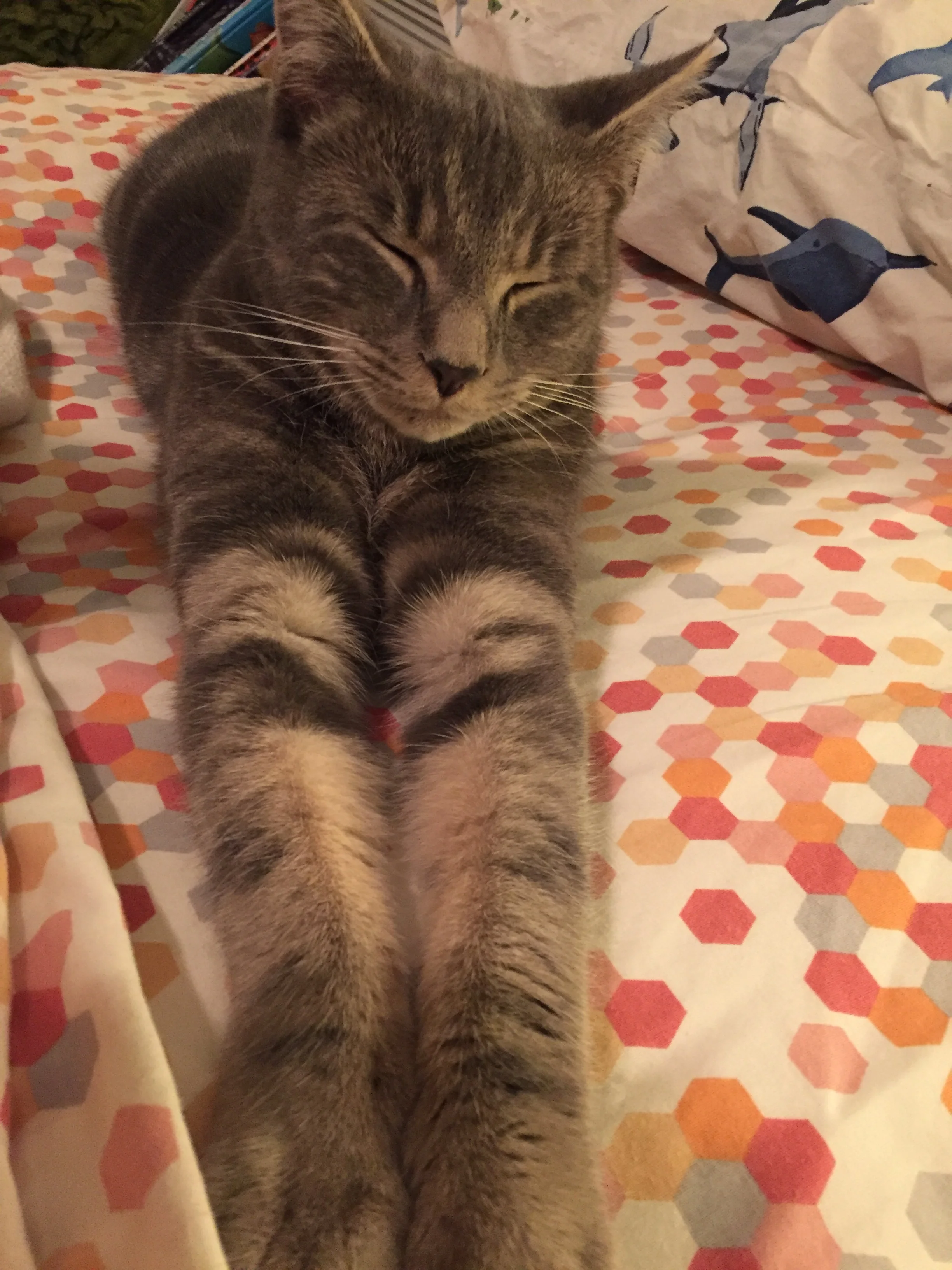
In feline news, a beautiful little cat has been wandering our neighborhood for weeks, collarless and thin. It has emeralds for eyes and is the sweetest, calmest ball of silky fur and purr ever. Many of us have come to believe it's homeless, and so today we took him in. 

I promised T it was just a foster cat (he does NOT want another cat), and I have put signs up all over the neighborhood and also reached out to a friend who recently lost her beloved cat of 17 years to see if she might want to adopt this honey. But y'all know the truth: the boys and I want to keep this cat. Big time. Right now he's sound asleep, still purring, in bed with Jack. 

As I scooped this sweetie up today, and felt unabashed love literally course through my body, it all felt so simple. Such a perfect counterpoint to all the ugliness and complete lack of love and respect and care being spewed from the White House. It's so much easier to be kind and put a little goodness out there. #resist