Food of Life food: kuku, and chicken with rice and apricots

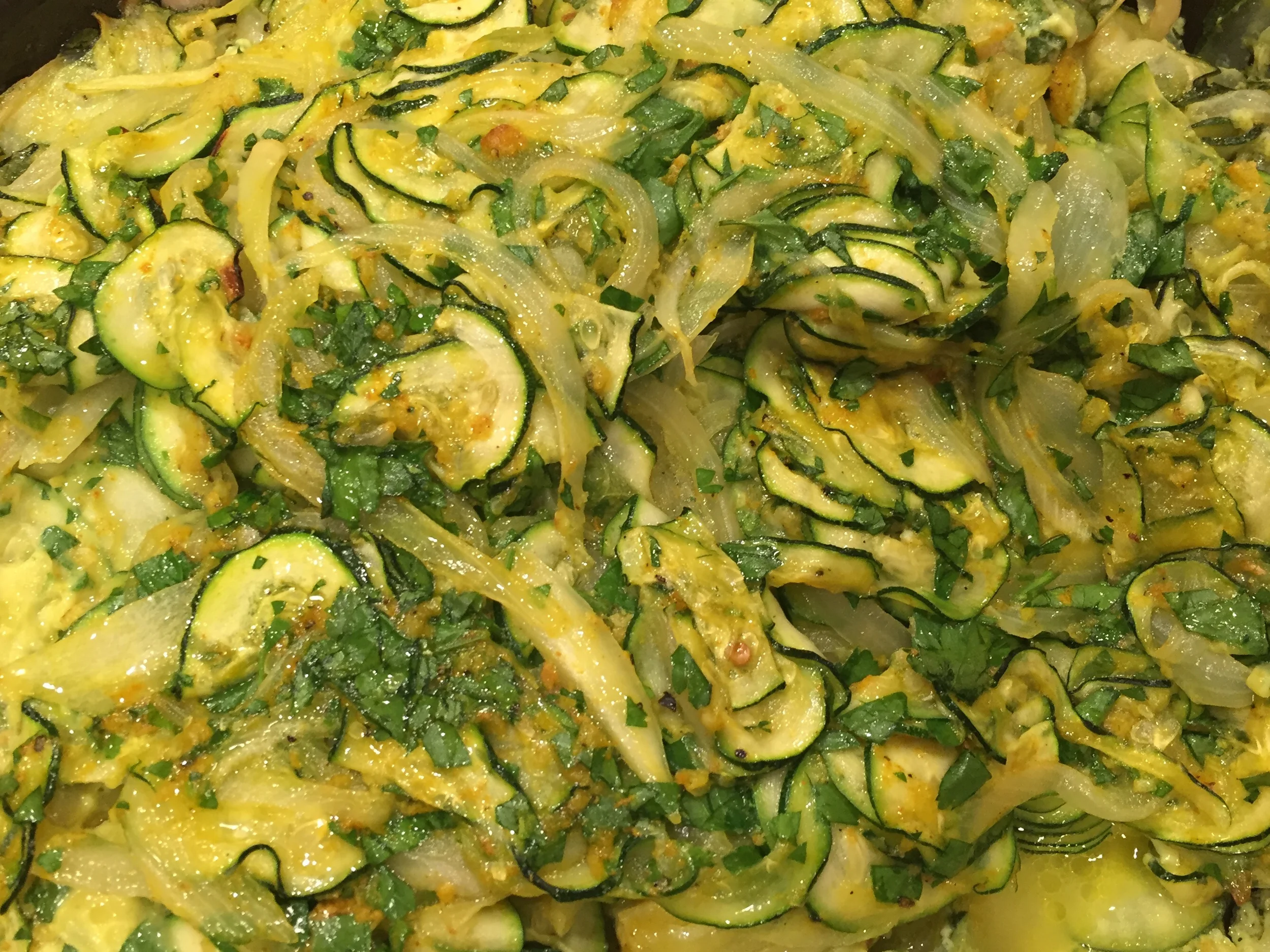
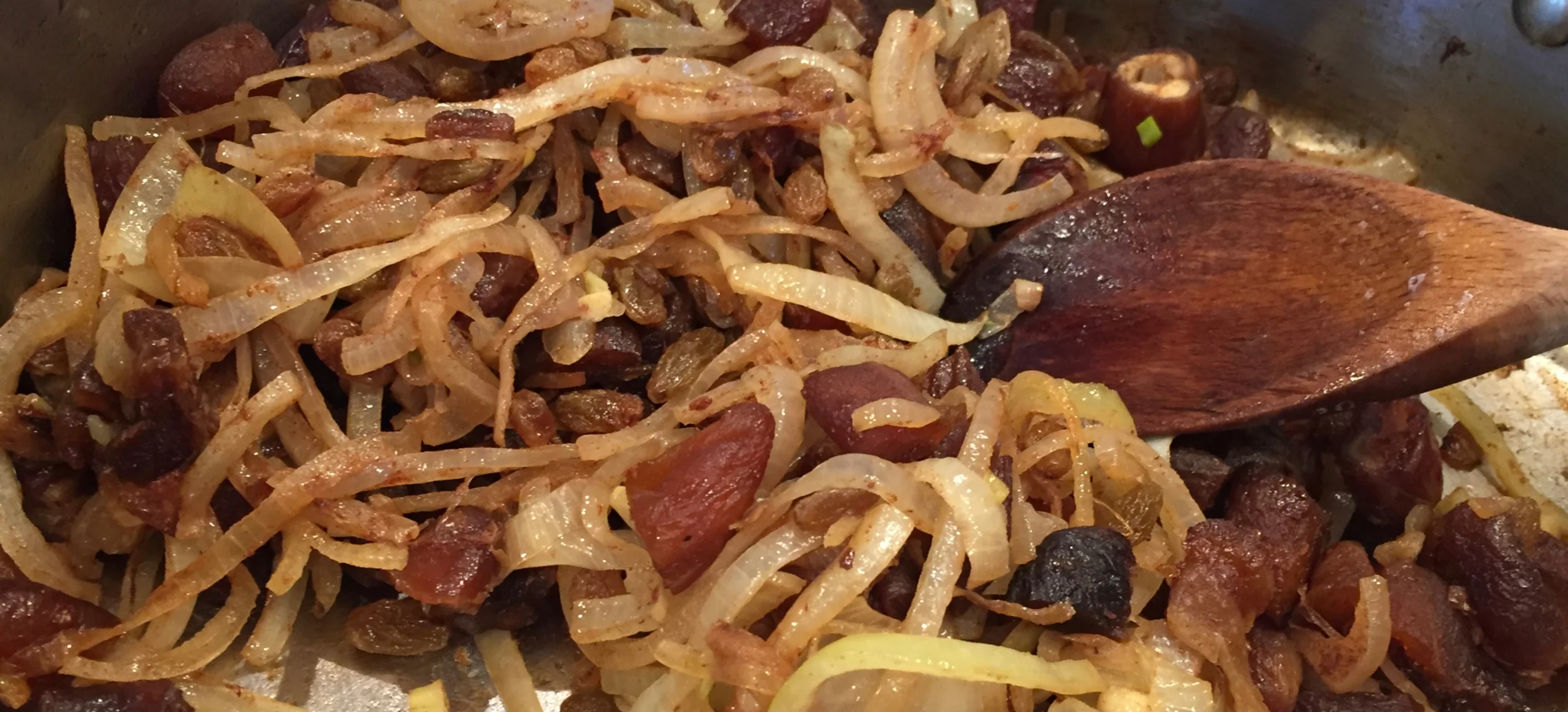
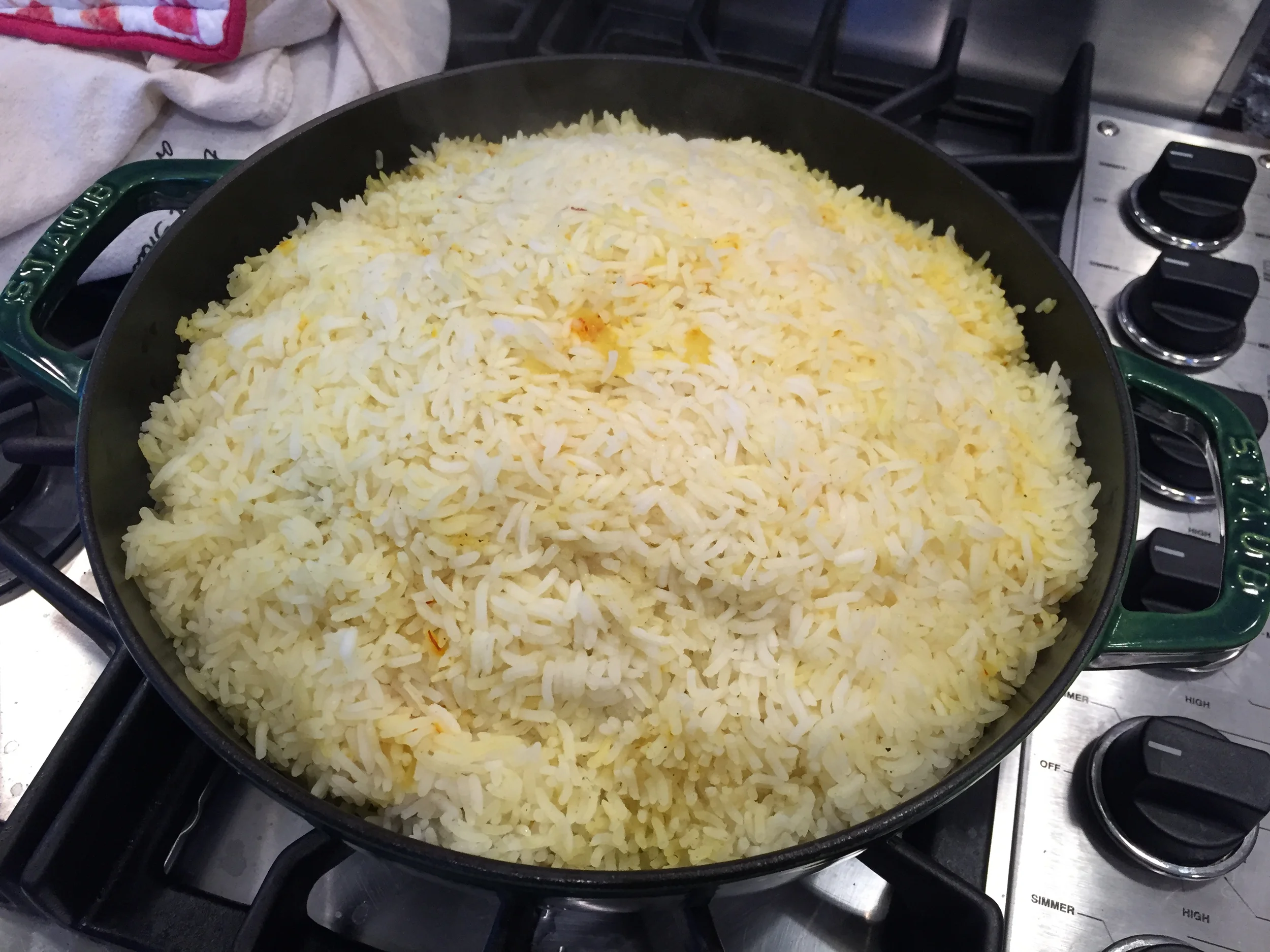
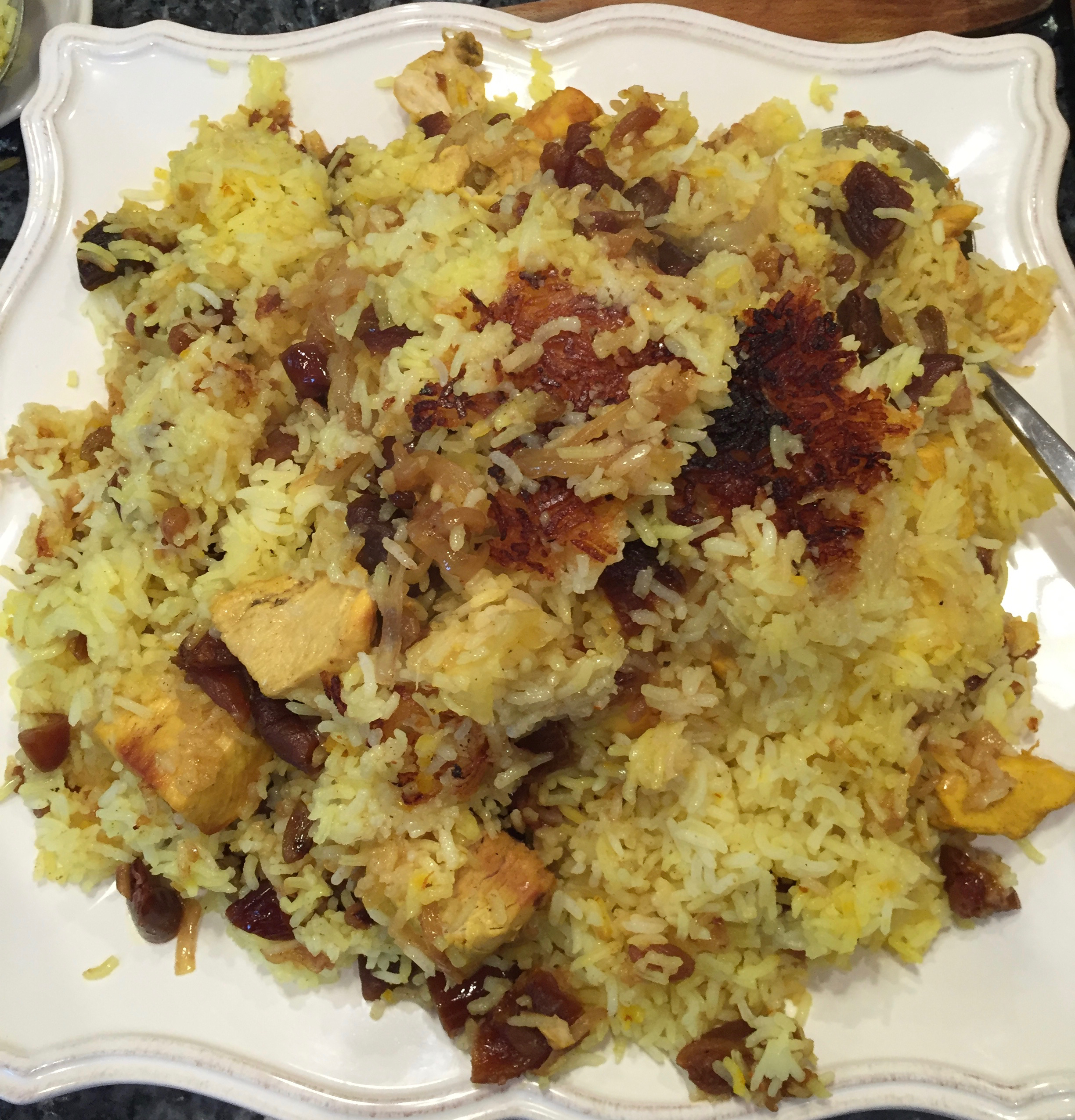
Circling back to my previous post about the marvelous coincidence in being given two versions of the same cookbook, Food of Life, I wanted to share some photos of the vibrant, flavorful kuku and my second attempted dish, chicken with rice and apricots. 

Both are really delicious, and I'd say my first efforts were resounding successes except that the kuku fell apart (it's supposed to hold firm so that you can slice it, rather like a frittata) and I could not dislodge 75% of the prized, golden shell layer of the rice dish (the tah-dig, a crust that forms as the rice sort of caramelizes in the pot).

So be it. We still enjoyed these meals and in fact have enjoyed them for days as Food of Life's "serves 6" appears to actually mean "serves 6 with ample leftovers." This is all good because we are a leftovers-loving family.
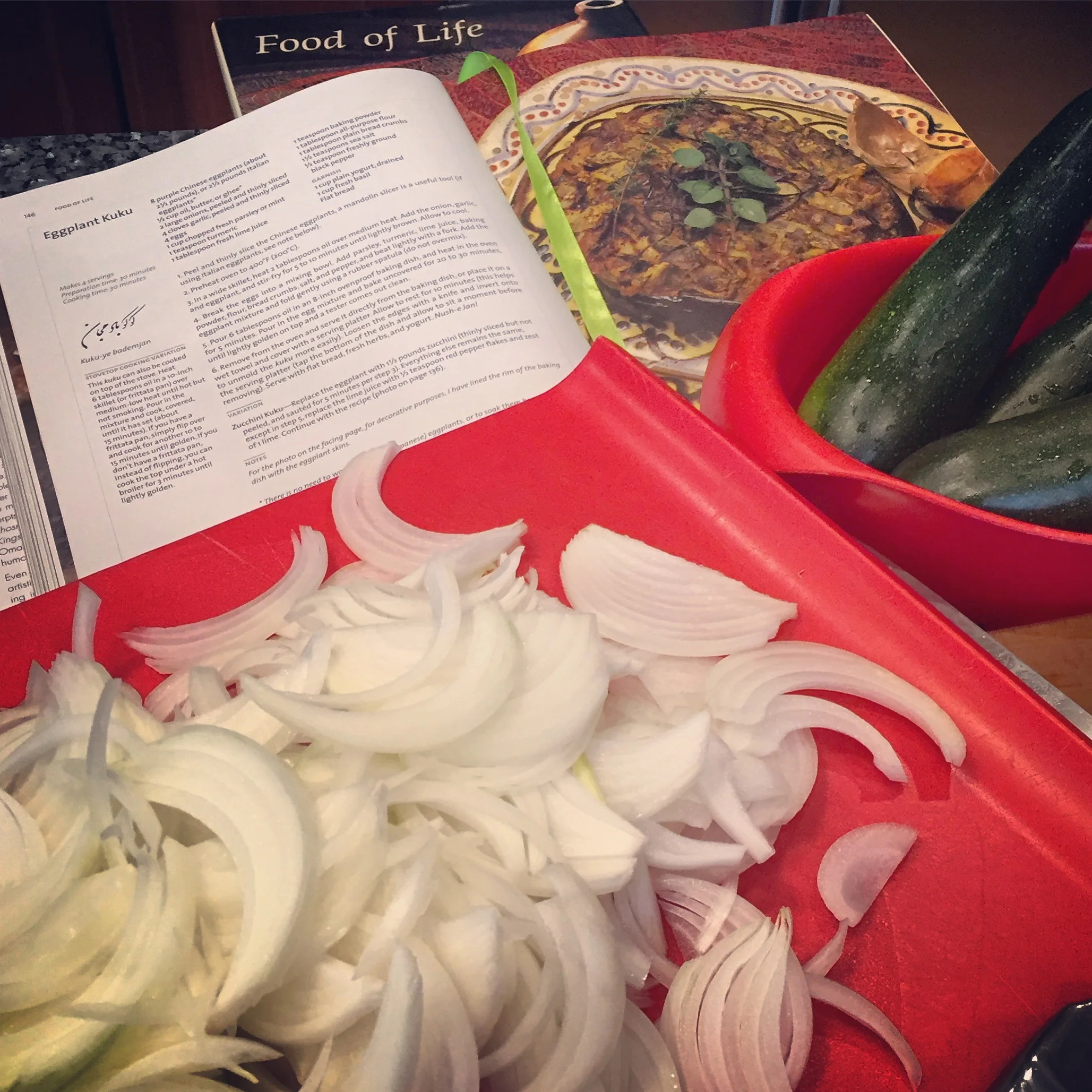
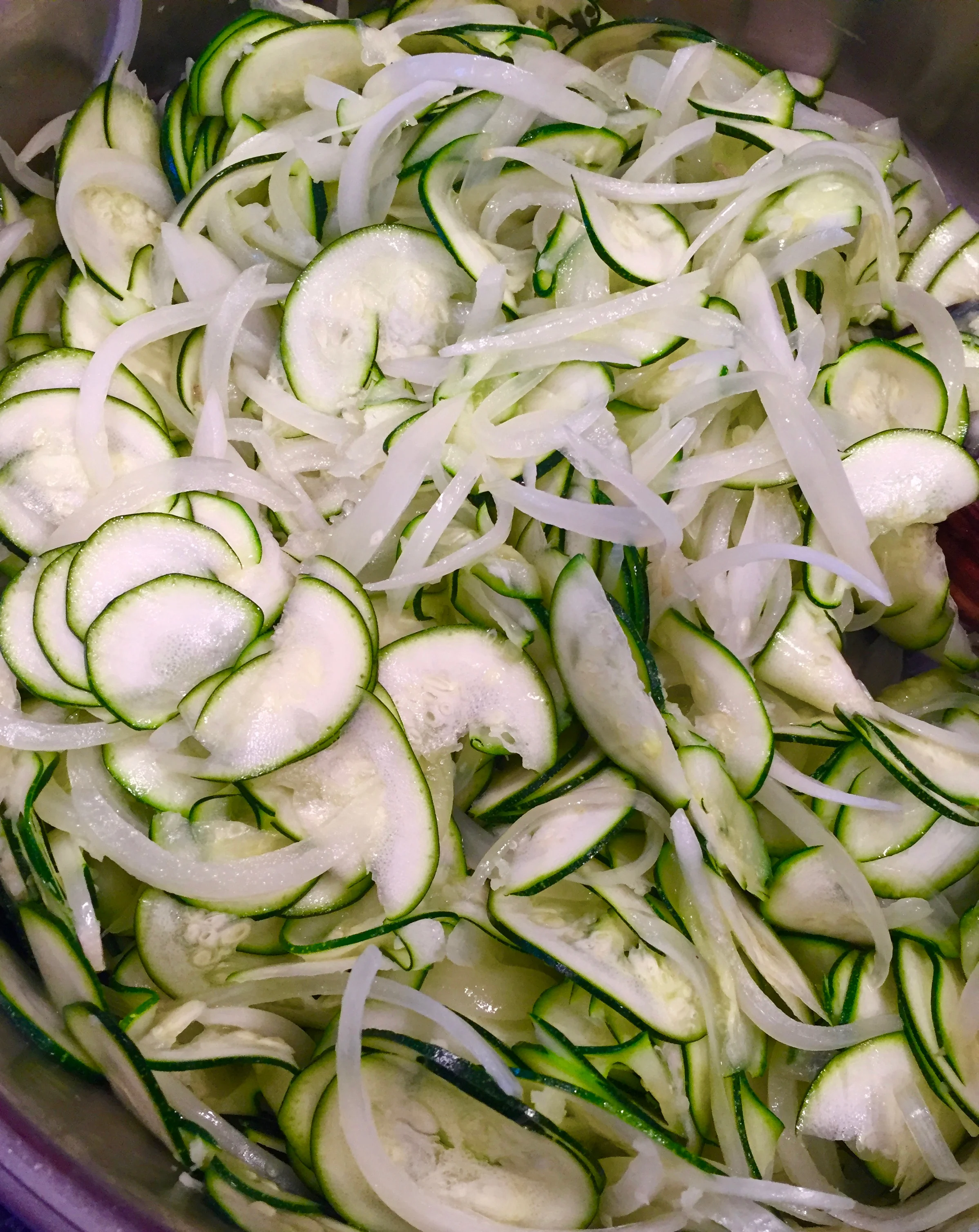
While the colors of the kuku are magnificent, and the zucchini and parsley tasted as bright as they look, you can see that what was supposed to be a slice is little more than a spooned slop atop some crisped pita.

Whatever. It's like when I'm teaching a canning class and we're making anything with strawberries, I always say "Listen, if your jam doesn't set perfectly, just call it sauce and move on. Who's going to be like, 'Strawberry sauce? No good!' Exactly. No one."

So anyway, back to the food. I really liked the kuku and would definitely make it again. It was fresh, light and yet hearty, and healthy.

Two nights later, I ventured into a more time-intensive recipe, the chicken with rice and apricots. I do not mind putting in effort, but I'll tell y'all that this dish takes a long time. Like three hours long. Let's all give it up for Persian mamas and all other cooks who daily craft such layered meals. Mahgah.

First you prepare the chicken by cubing it and cooking it -for nearly an hour!- with onions and turmeric and other lovely things. Meanwhile, you will optimally soak the rice for two hours and also prepare the onion, apricot, date and golden raisin part of the dish. 

The spices are divine: cinnamon, nutmeg, coriander, cumin, saffron, rose water, advieh (a Persian blend of many of the spices I just mentioned plus dried and ground rose petals), and turmeric.  
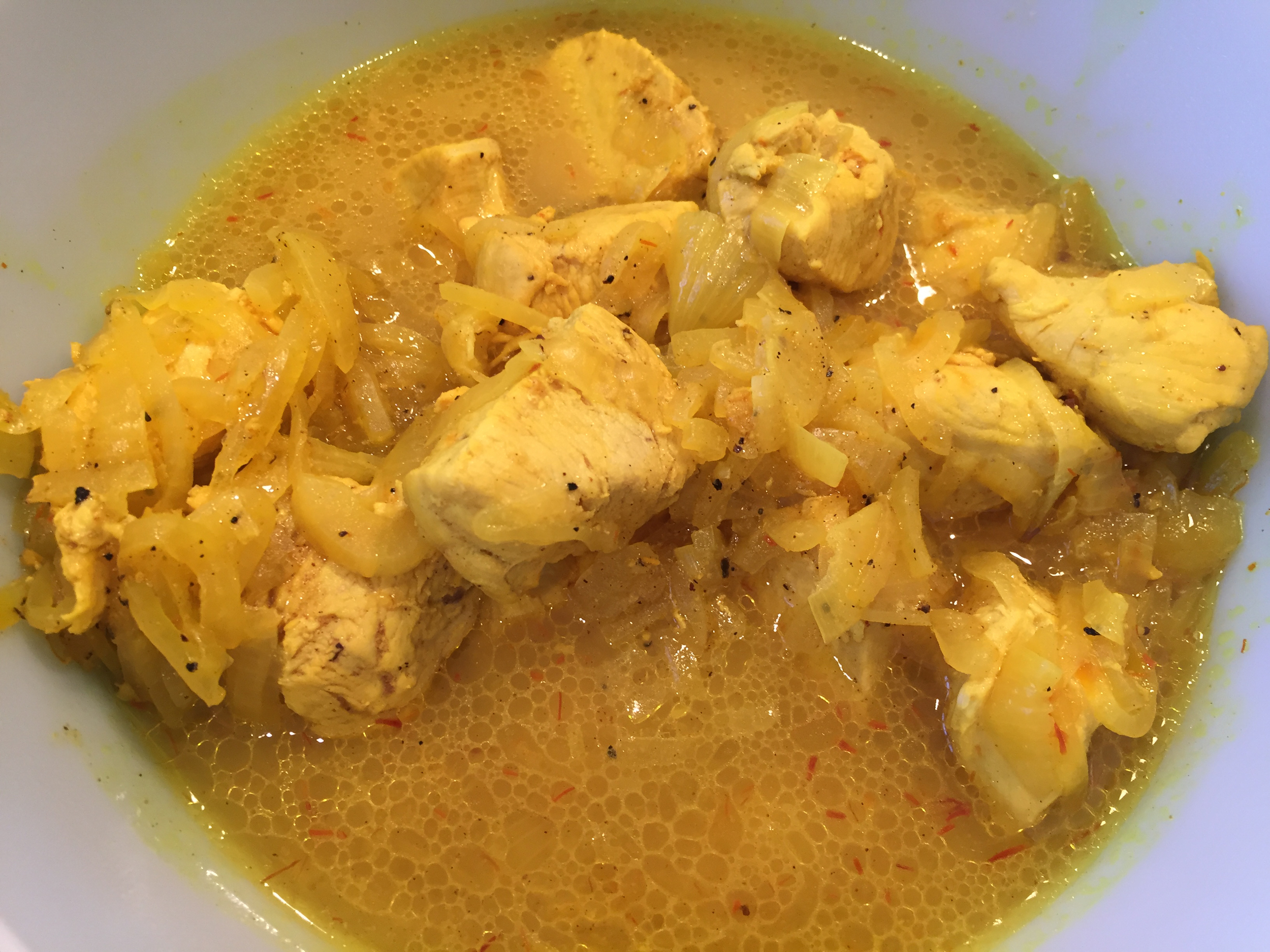
I would like to take this moment to give a shout-out to turmeric. It makes everything such a smashing shade of orange-yellow and its purported health benefits, including being an effective anti-inflammatory and powerful antioxidant, are fantastic. 
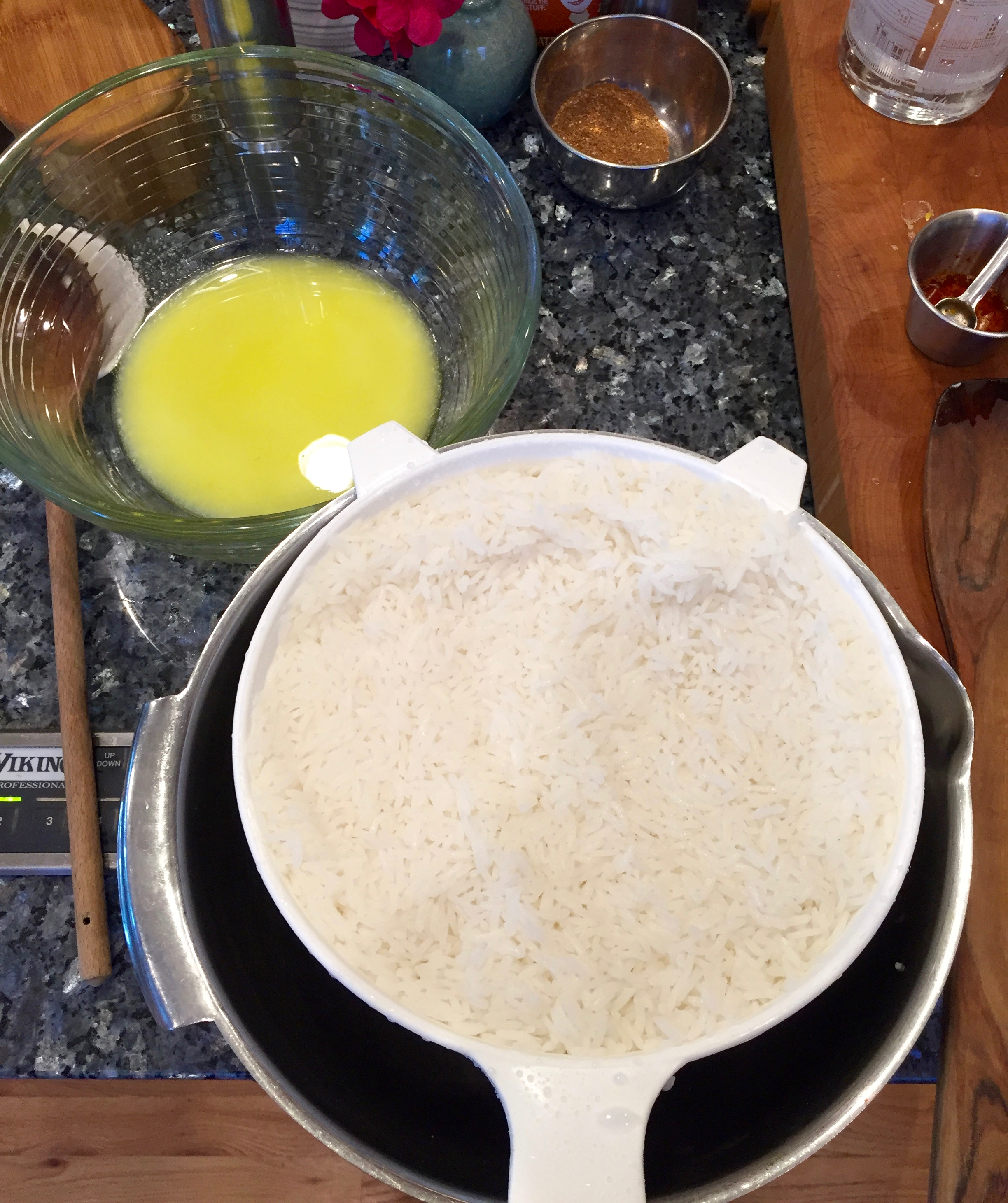
Not only do both dishes make excellent leftovers, the chicken and rice dish actually improves after a day or two! And, I got to use up the bottle of rose water I've had on hand for a while now. 

Extremely cool coincidence via gifted cookbooks

Last week, a new friend of mine, J, brought me a gorgeous bag of birthday goodies. Seriously, gorgeous, and also really thoughtful. Included was a cookbook she'd long loved and cooked from but didn't use enough anymore; instead of holding on to it, she wanted to pass it to me.

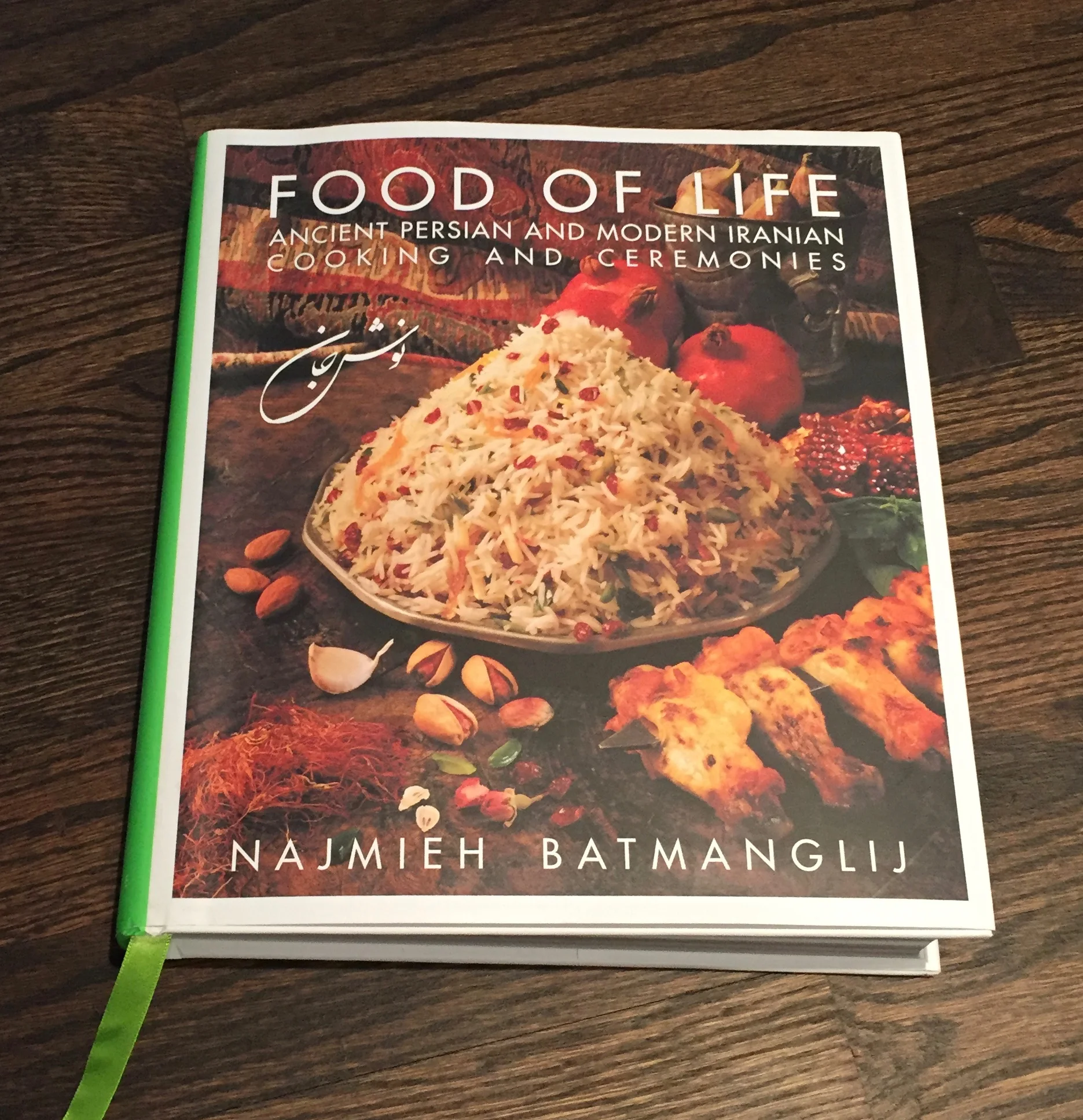
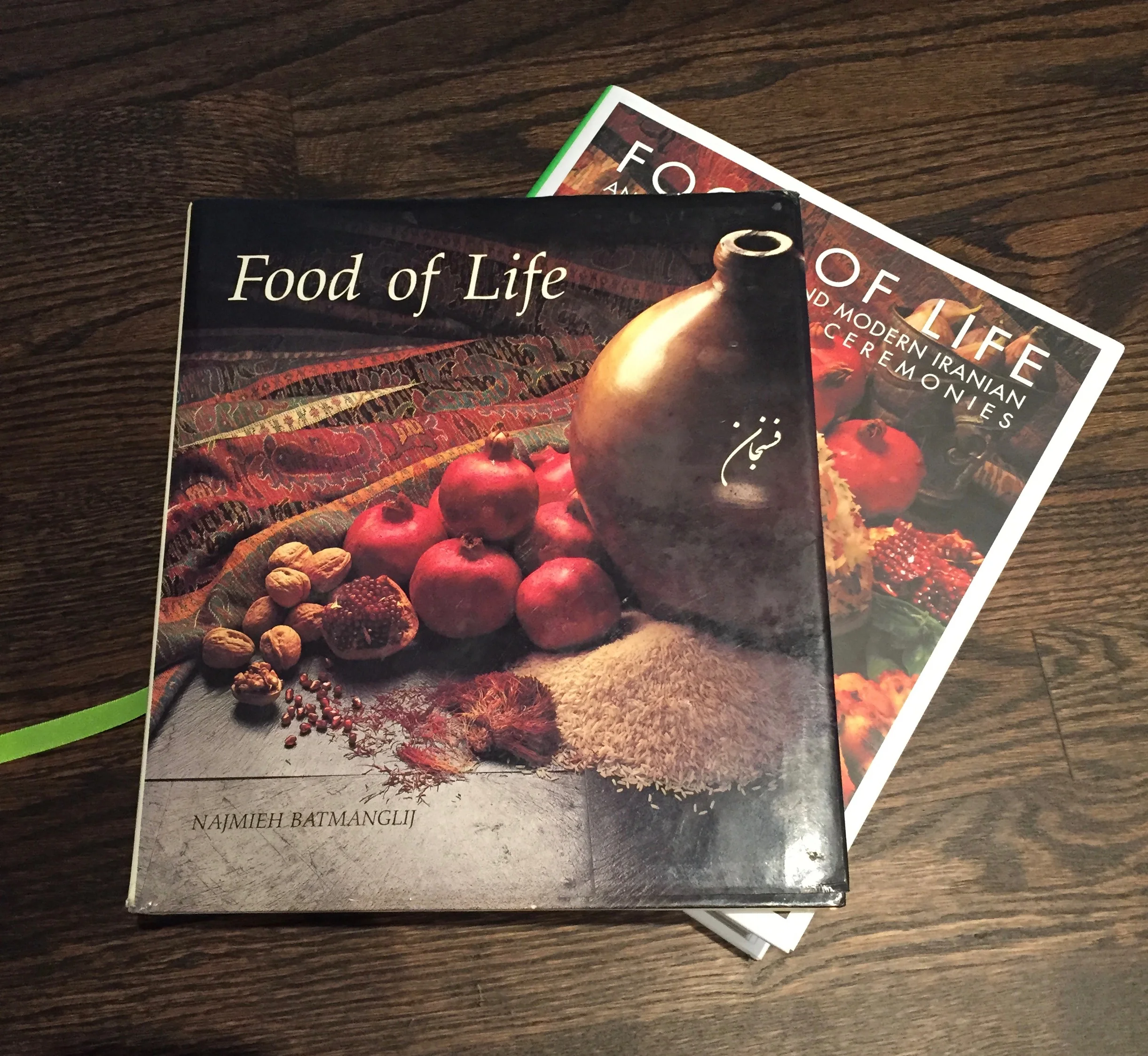
Written by Najmieh Batmanglij, it's a Persian cookbook called Food of Life, and this gifted copy is the original from 1986. As I thumbed through it, some of the pages splattered and all of them soft from use, an old recipe fell out. Jotted on a scratch piece of legal pad paper now stiff with age (a funny juxtaposition to those supple cookbook pages), it's for paella (not Persian) and is roughly sketched; arrows, underlines, circled words all remind J what she would and wouldn't want to include and do.

I was, and still am, incredibly touched by such a generous, personal gift. I asked J if she wanted the paella recipe back but she said "No, keep it with the book." Old recipes, hand-written, are treasures, and I plan to carefully tape the yellow paper into the front cover of Food of Life. They've been paired for a while now, and I see no reason to separate them.

Fast forward a few days, and another dear friend, M (who is Iranian), brings me a heavy, wrapped gift. "There's something small tucked inside*," she said, as I proceeded to tell her about the "amazing Persian cookbook" J had given me and how I intended to use the book and the barberries M gave me few months back to finally make Zereshk Polo, or jeweled rice, a favorite dish of mine.

M laughed and said, "Well now you have two amazing Persian cookbooks and can definitely make the rice."

Later, I opened her present and found it to be the 25th anniversary copy of, wait for it, Food of Life. Now subtitled Ancient Persian and Modern Iranian Cooking and Ceremonies, this updated version is heftier and contains more photographs. It also includes updated language and recipes which I find fascinating. 

For example, what was in 1986 called Eggplant Kookoo is now, in 2016, written as Eggplant Kuku. The new recipe includes fewer eggs, less garlic, more and different spices, and a yogurt garnish. Where the generic eggplant was originally called for, Batmanglij now suggests using Chinese or Italian eggplant.

Brain Kookoo has been omitted completely, and an option for Zucchini Kuku has been added. I'll be making the latter for dinner tonight. 

Food is such a fascinating lens through which to observe societies, regions, evolving tastes and culinary trends. An individual's recipes, especially those from a person considered an expert on a given cuisine, are a hyper-personal way of studying the same things.

I think of the way I was taught to make gumbo and cranberry sauce, for example, and how I've morphed those teachings into my own ways of crafting those dishes. I don't make my mom's or grandmother's recipes exactly, but the tastes are resonant and the inspiration clear. 

Having these two versions of Food of Life, and having received them at the same time, is like a crash course in one woman's cooking life: eggplant kookoo as a young woman, eggplant kuku twenty-five years later with decades of experience and changing ingredients and a shifting palate influencing the outcome.

I'm thrilled to have these books and will share with you each time I cook from them, adding wear and splats and notes of my own to the pages as I go.

*That little something tucked inside? A packet of saffron! WOW!

40 in forty (2.5): eat and eat well

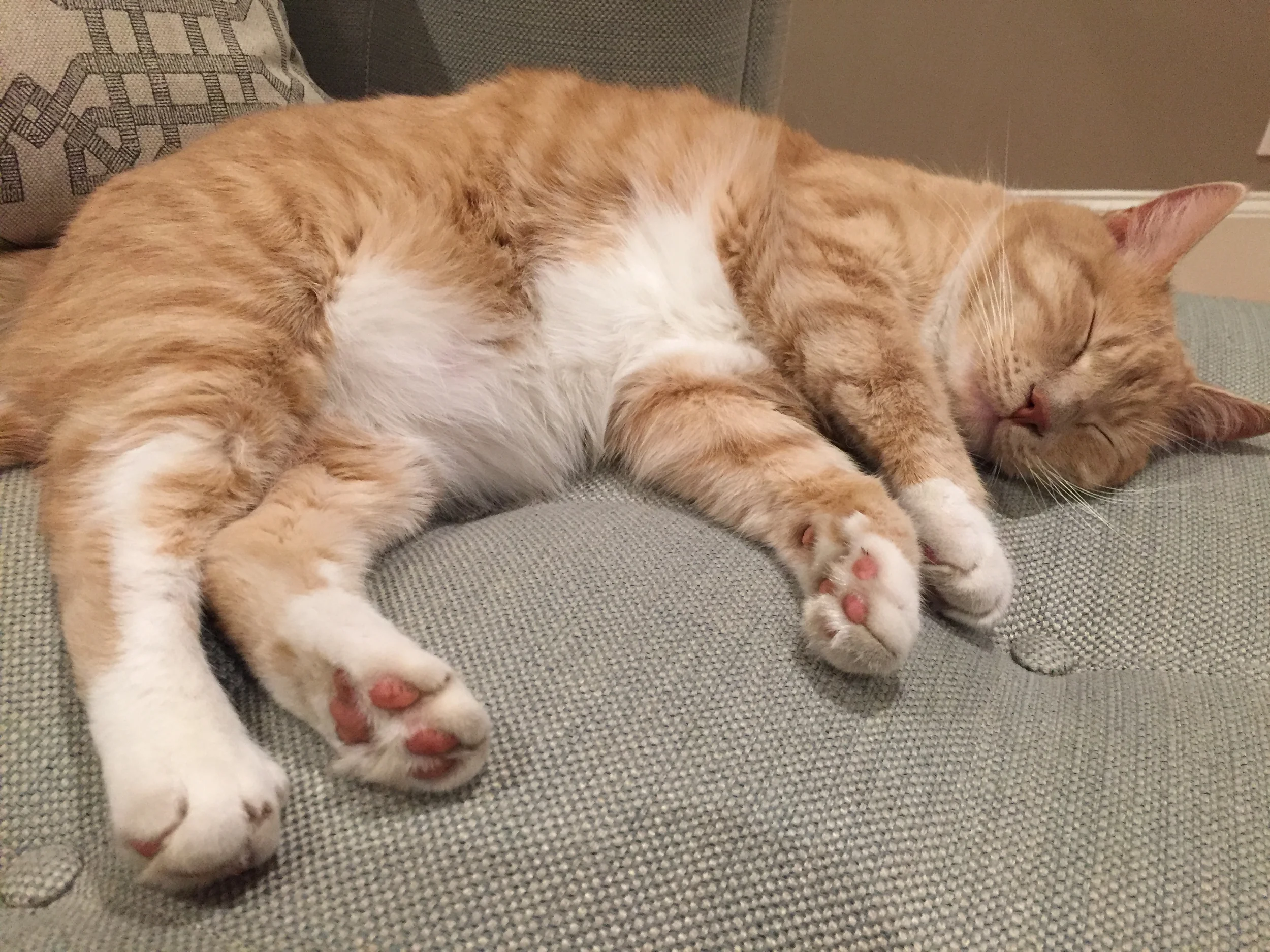
My 40 in forty posts are reaching their endpoint. Saturday is the big day, and I simply couldn't feel more festive. I have a few nuggets left to write about, but this evening, as I sit on a comfy couch, my feet propped on an ottoman and a sleepy Nutmeg unrolled beside me, I want to talk more about food and the eating of it.

He's been trolling the 'hood for hours. Now, it's rest time. 

He's been trolling the 'hood for hours. Now, it's rest time. 

I've already written about the importance of eating real and also about knowing several recipes well enough that you can throw them together with almost no thought. Tonight is more of a personal musing; it's about the primal need to and pleasure that can be derived from eating well. 

As y'all probably know eighty times over by now, I grew up in Louisiana. I was born in Georgia, shortly after moved to Alabama, and then, when I was five, we settled in Lake Charles, a mid-sized town in Louisiana's southwest corner. This was a fortunate move for many reasons but perhaps most of all because it meant living just a couple miles from Mom's parents, Nanny and Papa. 

If you read Em-i-lis with any regularity, you know all about Nanny. About her megawatt smile and about her grace. About the thousands of cheesecakes she baked for Papa's restaurant while he had it and also those she made for my dad's birthday, until she got too old to do so. About her giving me my first cookbook and teaching me so many things; about cooking but also, and more importantly, about life and dignity and kindness and generosity. 

Anyway, I grew up eating Nanny's food, and Mom's too until she went on cooking strike after making our school lunches daily for fourteen years (I'd have probably struck too). I remember her ancient aluminum pots and pans, battered but functional, seasoned perfectly with years of beans and spaghetti gravy and vegetable soup and smothered okra and roasts cooked in them.

I remember the way the chopped onions in her green beans always looked like leg-less jellyfish. They were totally translucent but never fell apart. It's a wonder really, to cook something so long but have it stay intact. I suspect it's because Nanny knew that often, a long, slow cook is better than a fast, roiling one. She never seemed rushed; I envy that.

I remember the worn, brown plastic bowl, the one with both handle and spout, both abraded from years of use, in which she'd toss the most delicious green salads. Mine never taste quite like hers did. My aunt Renee makes the next best; it's almost just like Nanny's.

I remember Sunday lunches at her and Papa's house. Always spaghetti and gravy and roast, French bread, green salad, Lipton iced tea, a hinged silver cheese bowl full of grated Parmesan, and probably a pie. I remember eating it all with such gusto, Papa with his napkin tucked into his collar, demanding more cheese and happily trading my bread crusts for his bready innards. It was the sweetest deal.

What ties all of these memories together is the happiness and utter pleasure of a good meal shared around a table.

Sometime during my senior year of college, as one roommate started substituting lettuce leaves for sandwich bread and subtly, but not subtly enough, excusing herself to the bathroom after every meal, I lost my way on the food-as-pleasure path. 

The road became more grown over the next year, dark and winding and impossible to navigate. I only wanted to be thin. And so I was. Food was an obstacle and a threat, and I crossed my arms against its beckon with such unbreachable strength. I shooed away hunger with long runs and skim milk. With a chorus of "gosh, you're so slim. You look great!" and bags of baby carrots which, ironically, are whittled from real carrots in the same way I was whittling myself from a real woman.

It likely goes without saying that sometime after my years in New York, which were very fun and very thin and very hard, I woke up. And for whatever it's worth, which is very little except if we're tallying votes in the Eat Real column, I'm pretty much the same size I was when it took strenuous denial to get there. 

Now, I eagerly anticipate each and every meal. I consider breakfast, lunch and dinner to be three daily opportunities for deep pleasure. It deeply offends me to waste one of these chances, either because I eat out and the meal sucks or because I'm flying through the day and am forced to cobble something together. My reaction to either is sincere pissed-off'ness, and really, that response feels wholly appropriate. 

It's hard to articulate the eye-closing, shoulders-dropping, soul-brightening response to a bite of ethereal coconut cream pie, the perfect meatball and saucy noodles, the first great summer peach, a giant chomp into a juicy sandwich. 

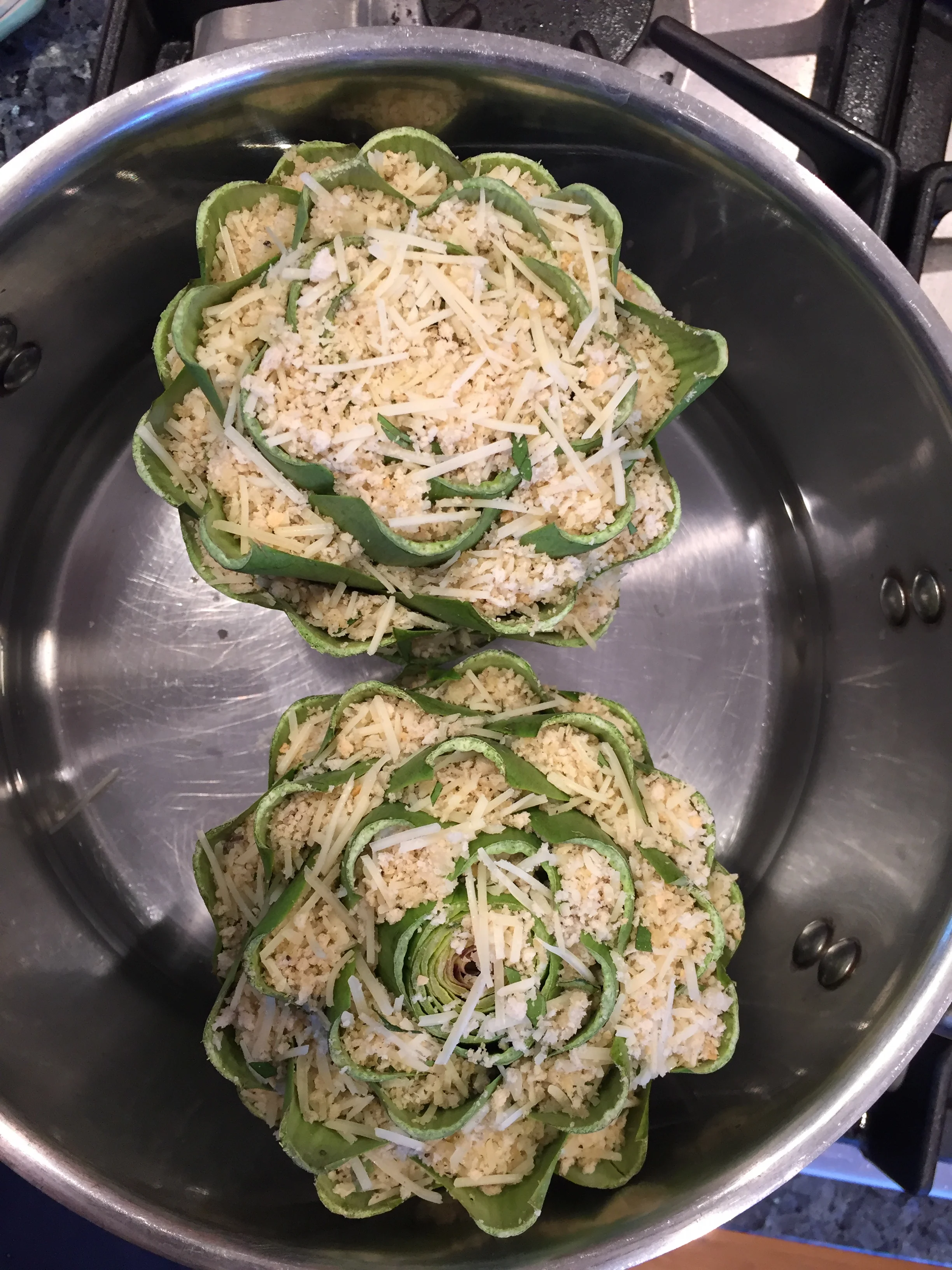
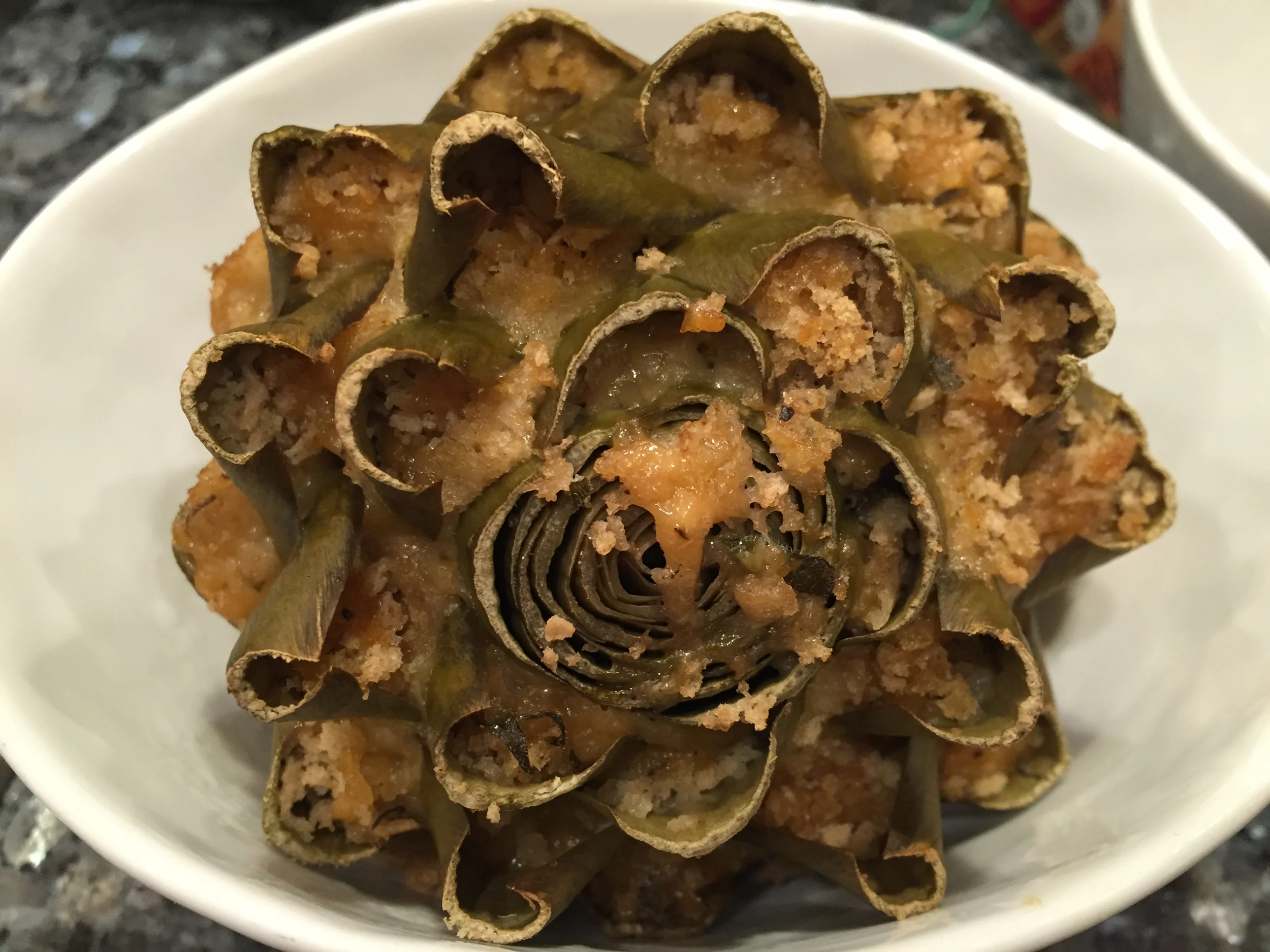
Last night, I was lucky to have a babysitter for a few hours. I quickly stuffed some artichokes, put them on to steam, and literally raced out to my back yard. I straddled a big bag of mulch and got busy. Sweaty, dirty, happy as get-out, and, as I'm wont to be out there, distracted.

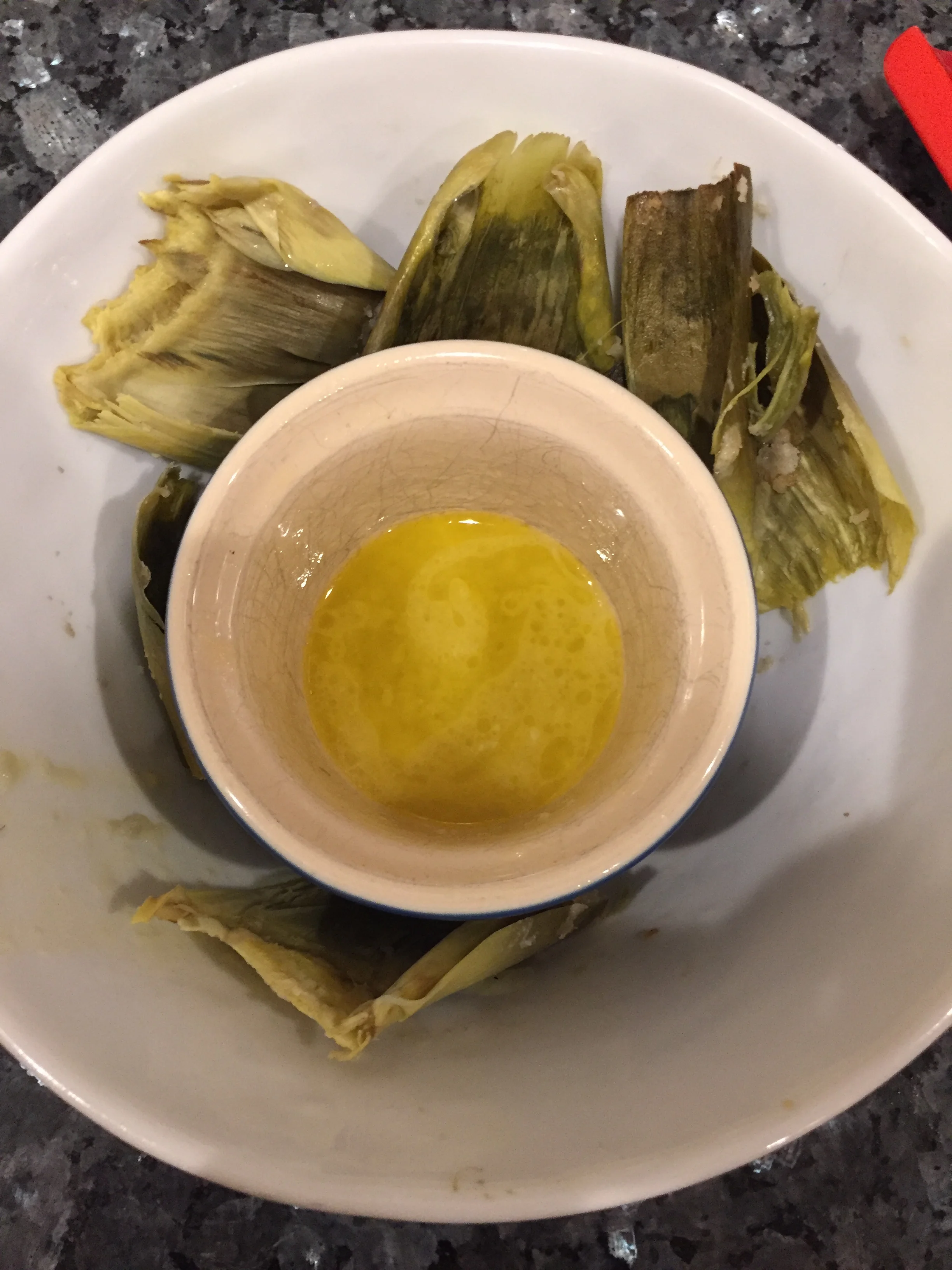
The water steamed away, the pot scalded, the sitter suggested I check, I got there just in time. More water, more steaming, more mulching and then happy-tired me served up the 'chokes. Tom and I each plucked a first leaf from the globe, turned it over so our bottom teeth could scrape off both stuffing and that tiny, miraculous mound of artichoke at the leaf's base, pulled gently and sighed deeply. 

Sublime. And the heart with lemon butter? I can't. Were there twenty hearts inside.

The pleasure is hard to articulate because it's elemental. So basic the original experience precedes memory but the sensations remain and are, if you're lucky, sharpened over time.

In New York, even as I denied myself this pleasure, I hoped for it for others. I delighted in saving recipes I wasn't likely to make, enjoyed cooking for others, and going out to fabulous meals. 

I once went on a date with a lovely man who said "I only eat because I have to." I knew I'd never go out with him again, and I didn't. The whole food-as-fuel-only mentality suggests to me that said person has a lacking joie de vivre. And even when I'd lost some sense, I hadn't lost my joie. 

And I have found a joie to be real important for enjoying life. Which is sort of the point because life can be awfully tough. 

I learned a lot of this from Louisiana, from my parents, from Nanny. From her pies and Sunday lunches, from my parents' zest for life and because Louisiana throws a party for any and all reasons. There, eating is a celebration: of family, of life, of death, of coming together. Any given meal is a chance to revel in culinary bliss, be it the simplest plate of scrambled eggs or an icy platter of just-shucked oysters, a fresh glass of milk punch or a gumbo that's been cooking for hours.

Eat, drink, and be merry!